

Highlights
Trekking Overview:
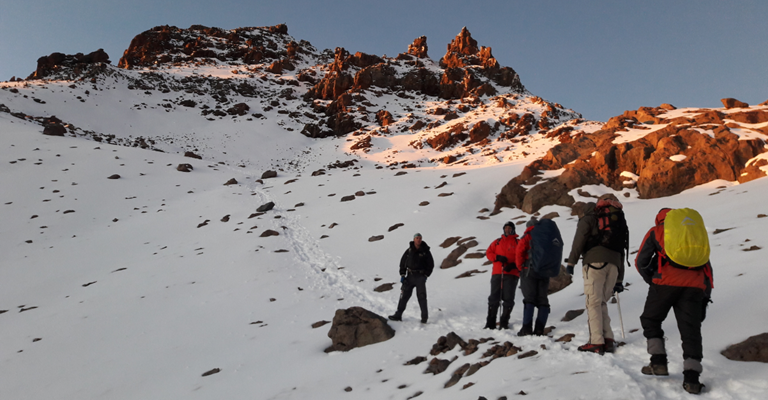
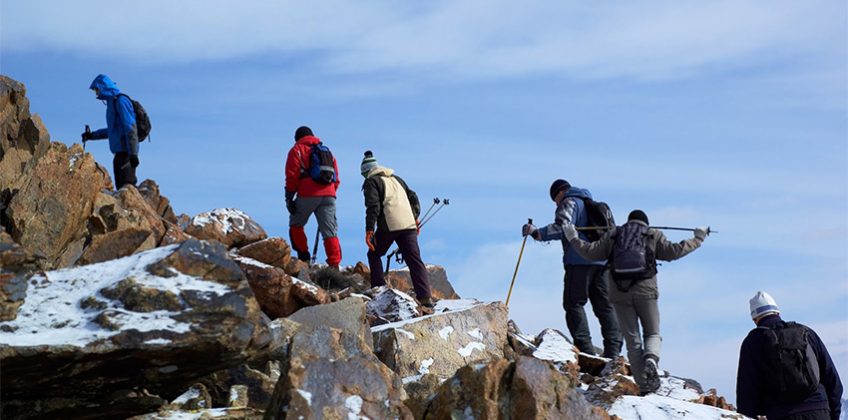
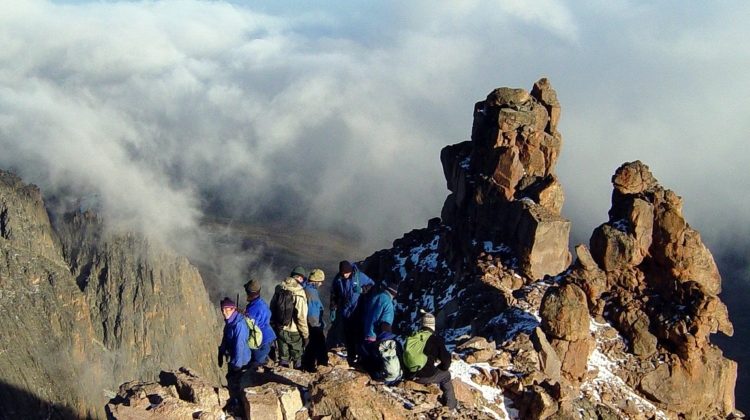
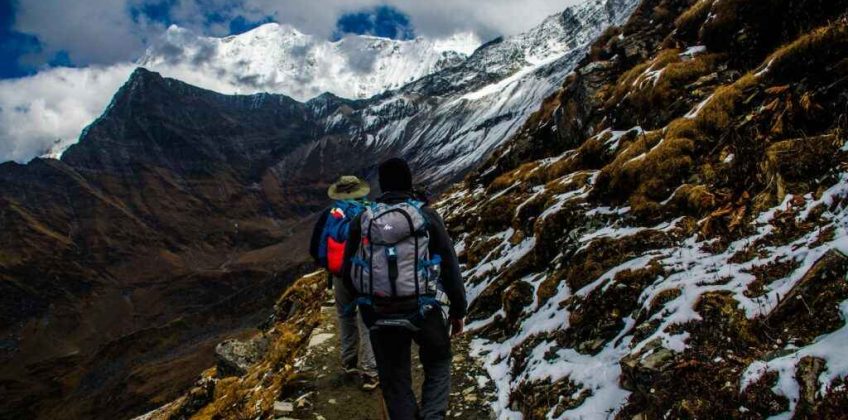
The 2 Days Hike Mount Kilimanjaro is designed for adventurers who want to enjoy the mountain’s scenic trails and diverse habitats without attempting the summit. This short trek typically follows the Marangu Route, offering a chance to hike through rainforest, spot wildlife, and reach Mandara Hut or Horombo Hut depending on pace. It’s ideal for those with limited time or who prefer a moderate trekking challenge.
Hike Mount Kilimanjaro
Inclusions
- Professional mountain guide and porters
- Park fees and permits
- Meals and drinking water during trek
- Accommodation at Mandara Hut (or Horombo Hut if extended)
- Transfers from Arusha/Moshi to Marangu Gate and back
Exclusions
- International flights
- Tanzania visa fees
- Travel insurance
- Personal trekking gear (boots, clothing, sleeping bag)
- Tips for guides and porters
- Personal expenses (souvenirs, drinks, etc.)
Essential Gear for Hike Mount Kilimanjaro
Packing correctly is critical because Kilimanjaro’s climate ranges from tropical rainforest to icy summit. Experts recommend following a layering system and keeping pack weight under 15 kg.
Recommended Gear
- Base layers: Moisture-wicking merino wool tops and bottoms (3 sets)
- Insulation layers: Fleece jacket and down vest
- Outer layers: Waterproof shell + insulated down jacket
- Footwear: Waterproof hiking boots + camp shoes
- Socks: 5–6 pairs (including thick summit pairs)
- Sleeping gear: Sleeping bag (–10°C) + mat
- Accessories: Headlamp, trekking poles, gaiters, gloves, hat
- Hydration: 2–3L water system
- Daypack: 30–40L + duffel for porters
- Sun protection: Sunglasses, sunscreen, lip balm
- Personal items: First aid kit, toiletries, snacks
Tips for a Successful Climb
- Choose the right route: Lemosho & Machame are scenic; Marangu is shorter but steeper
- Train beforehand: Build endurance and hike with a loaded pack
- Acclimatize: Follow “climb high, sleep low”
- Hydrate: Drink 3–4 liters daily
- Pace yourself: Walk slowly (“pole pole”)
- Eat well: Maintain energy with good nutrition
- Mental strength: Stay positive, especially summit night
- Gear check: Test everything before the trek
- Safety first: Listen to guides and monitor altitude symptoms
- Best seasons: June–October, January–March
Key Considerations & Risks
- Altitude sickness: The biggest challenge—proper acclimatization is essential
- Weather extremes: From +30°C at base to –20°C at summit
- Pack limits: Porters carry max 15 kg—pack wisely
- Mental resilience: Summit night is demanding
Itineraries Expand all
-
Day 1: Arusha/Moshi – Marangu Gate – Mandara Hut
Start: Drive from Arusha or Moshi to Marangu Gate (1,860m).
- Activities: Registration, meet guides, and begin trekking through lush rainforest filled with monkeys, birds, and towering trees.
- Hiking Distance: ~8 km
- Hiking Time: 4–5 hours
- Elevation Gain: 1,860m → 2,700m
- Attractions: Scenic rainforest, wildlife spotting, and arrival at Mandara Hut with views of Maundi Crater.
- Meals: Lunch and Dinner
-
Day 2: Mandara Hut – Horombo Hut (optional) – Return to Marangu Gate – Arusha/Moshi
Option A: Trek further to Horombo Hut (3,720m) for panoramic views of Kibo and Mawenzi peaks.
- Distance: ~11 km
- Hiking Time: 5–6 hours
Option B: Explore Maundi Crater near Mandara Hut for short hikes and views, then descend.
- Descent: Return to Marangu Gate through rainforest.
- Distance: ~8 km
- Hiking Time: 3–4 hours
- Finish: Collect trekking certificates and transfer back to Arusha/Moshi.
- Meals: Breakfast and Lunch
Gallery
TZ-7320
- Best price guaranteed.
- No booking fees.
- Professional local guide.
Leave a review
You must be logged in to post a comment.